
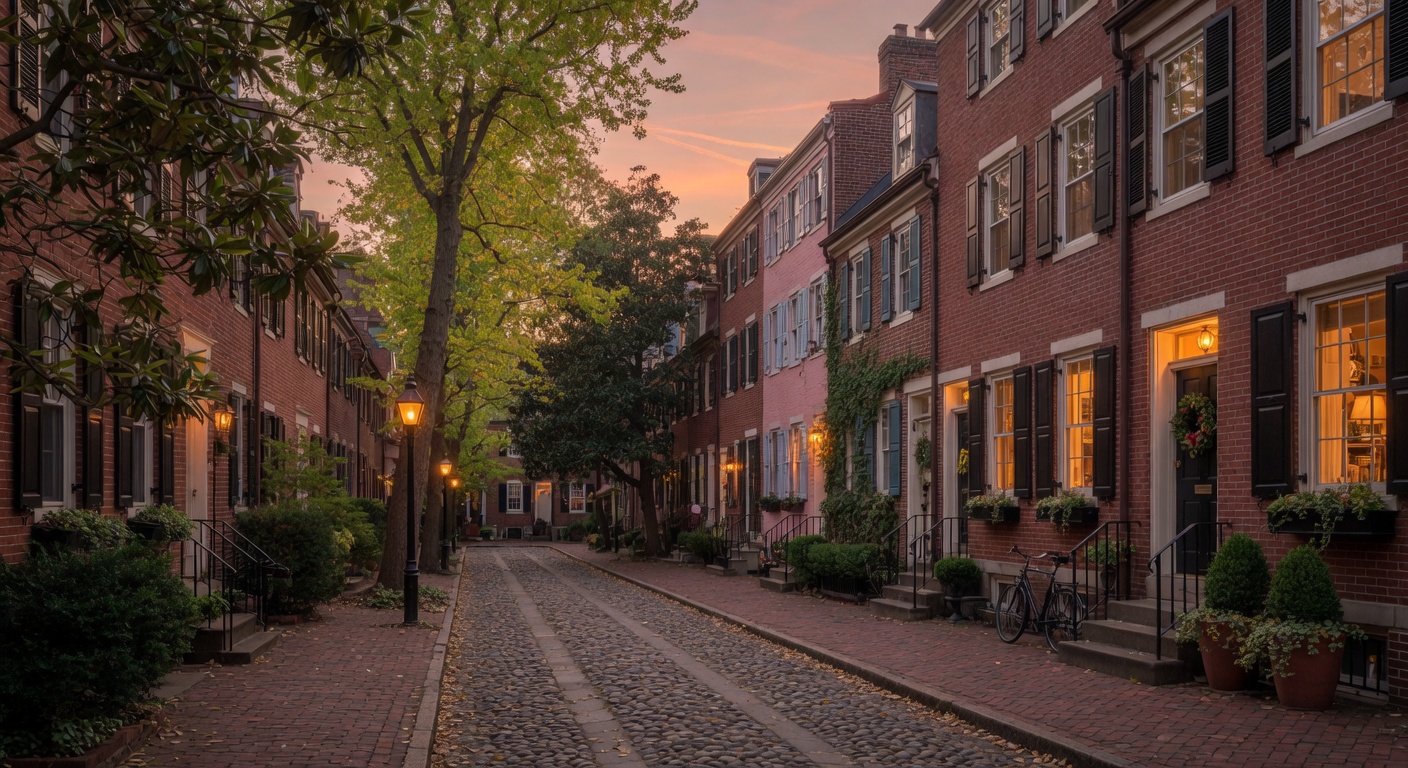

Historic Philadelphia row homes on a tree-lined cobblestone street at golden hour
SELLER'S GUIDE

How to Sell Your
Philadelphia Home in 2026

Craig Lerch
Craig Lerch Published June 10, 2026 · 36+ years, 4,000+ transactions

Selling a home in Philadelphia in 2026 requires a realistic pricing strategy, professional presentation, and an agent who understands the current market shift. After years of historically low inventory and bidding wars, the market is normalizing — median home prices in the Philadelphia metro sit between $278,000 and $546,000 depending on the county, days-on-market have stabilized to 30–45 days, and buyers are once again requesting standard inspections and contingencies. Homes that are priced correctly and staged well still sell quickly, but overpriced listings are sitting.

What Are the Current Market Conditions for Sellers?

The Philadelphia real estate market in mid-2026 is in what analysts call a "normalization phase." After the hyper-competitive years of 2021–2023, where homes sold in hours with waived inspections, the market has settled into healthier patterns:

  • Inventory has improved to 3.3–4.7 months of supply across the metro, up from the 2.5-month crunch in 2024 but still below a fully balanced market of 6 months.
  • Median sale prices remain strong: Philadelphia city proper at $278,000, Montgomery County at $475,050 (+2.9% YoY), and Bucks County at $510,000–$546,000 (+5.2% YoY).
  • Mortgage rates are at 6.5–6.6% on a 30-year fixed, keeping casual buyers on the sidelines while serious, pre-approved buyers remain active.
  • Days on market have stabilized to 30–45 days in most submarkets, with turnkey properties in top school districts still selling above asking price.

The bottom line for sellers: you can still get strong offers, but your home needs to be properly priced, well-presented, and marketed aggressively. The days of listing at any price and getting multiple offers are gone.


How Should You Price Your Philadelphia Home?

Pricing is the single most important decision you'll make as a seller. In today's market, accurate pricing drives traffic, generates offers, and prevents your listing from becoming stale. Here's what 36 years of experience has taught Craig Lerch:

  • Study comparable sales from the last 90 days — not list prices, but actual closed sale prices within a half-mile radius of your property.
  • Price within 2–3% of market value to capture the maximum buyer pool. Overpricing by even 5% can reduce showing traffic by 30–40%.
  • Consider a pre-listing inspection — at $300–$500, it identifies issues before buyers do, reducing negotiation leverage on your weakest day.

In the Main Line corridor specifically, the equation is different. Wayne's median sale price has jumped to $1.2M–$1.5M, and Bryn Mawr is seeing 4.7% annual appreciation. Turnkey homes in top school districts are selling above asking — but only if they're presented correctly.


What Are the Biggest Staging and Presentation Mistakes?

In a normalized market, presentation separates sold properties from stale listings. The data shows that professionally staged homes sell for 5–10% more and spend 30–40% fewer days on market compared to unstaged homes. Here are the most common mistakes sellers make:

  • Skipping professional photography. 93% of buyers start their search online. Professional photos with proper lighting and wide-angle composition are non-negotiable.
  • Over-personalizing the space. Remove family photos, collections, and bold paint colors. Buyers need to envision themselves in the home.
  • Ignoring curb appeal. The exterior is the first impression. Power washing, fresh mulch, and a clean entry cost under $500 and deliver immediate ROI.
  • Failing to disclose known issues. Pennsylvania's consumer protection laws require material disclosure. Transparency builds trust and prevents deal collapse during inspection.

When Is the Best Time to List in Philadelphia?

Historically, the spring market (March–May) generates the highest buyer activity and sale prices in the Philadelphia metro. In 2026, the data confirms this pattern: active buyer traffic peaks in April and May, with median sale prices running 3–5% higher than winter months.

However, the summer months (June–August) offer a strategic advantage for sellers who missed the spring window. Inventory remains elevated, but serious buyers — especially families relocating before the September school year — are motivated and pre-approved. In the fall (September–November), listing activity drops, but so does competition, making it an underutilized window for well-presented homes.

As Craig Lerch notes in his weekly market updates: the Main Line corridor is currently in a "full frenzy" with homes selling in hours and buyers waiving contingencies. If you're a seller on the Main Line, the window is open now — don't wait for the fall slowdown.

Ready to Sell? Get a Free Home Valuation.

Craig Lerch has closed 4,000+ transactions across the Philadelphia metro. Get a data-driven pricing assessment and customized marketing strategy for your home.